Exterior Painting Prep Checklist For Lewistown And Central PA Homes
What Should You Do Before Exterior Painting?
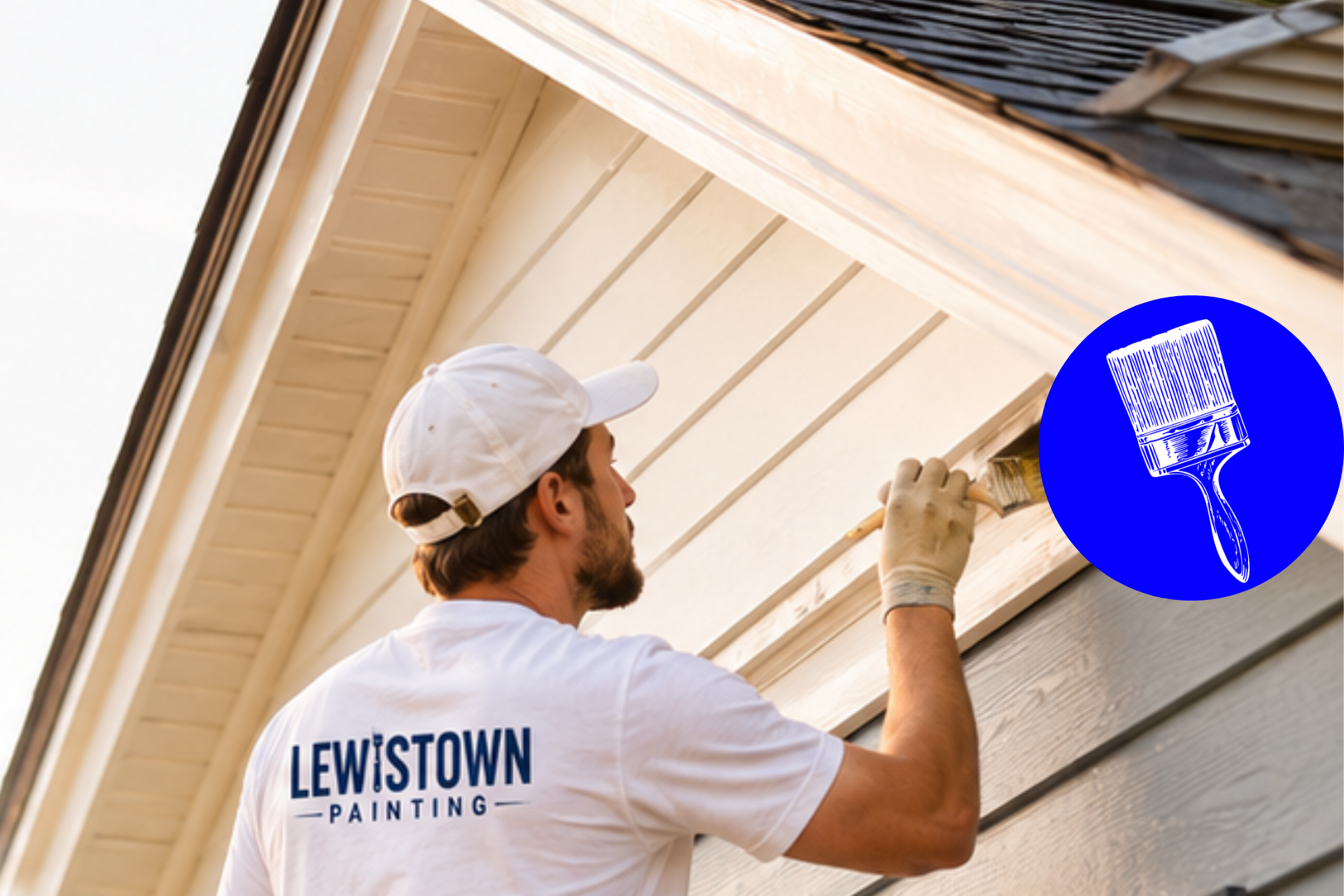
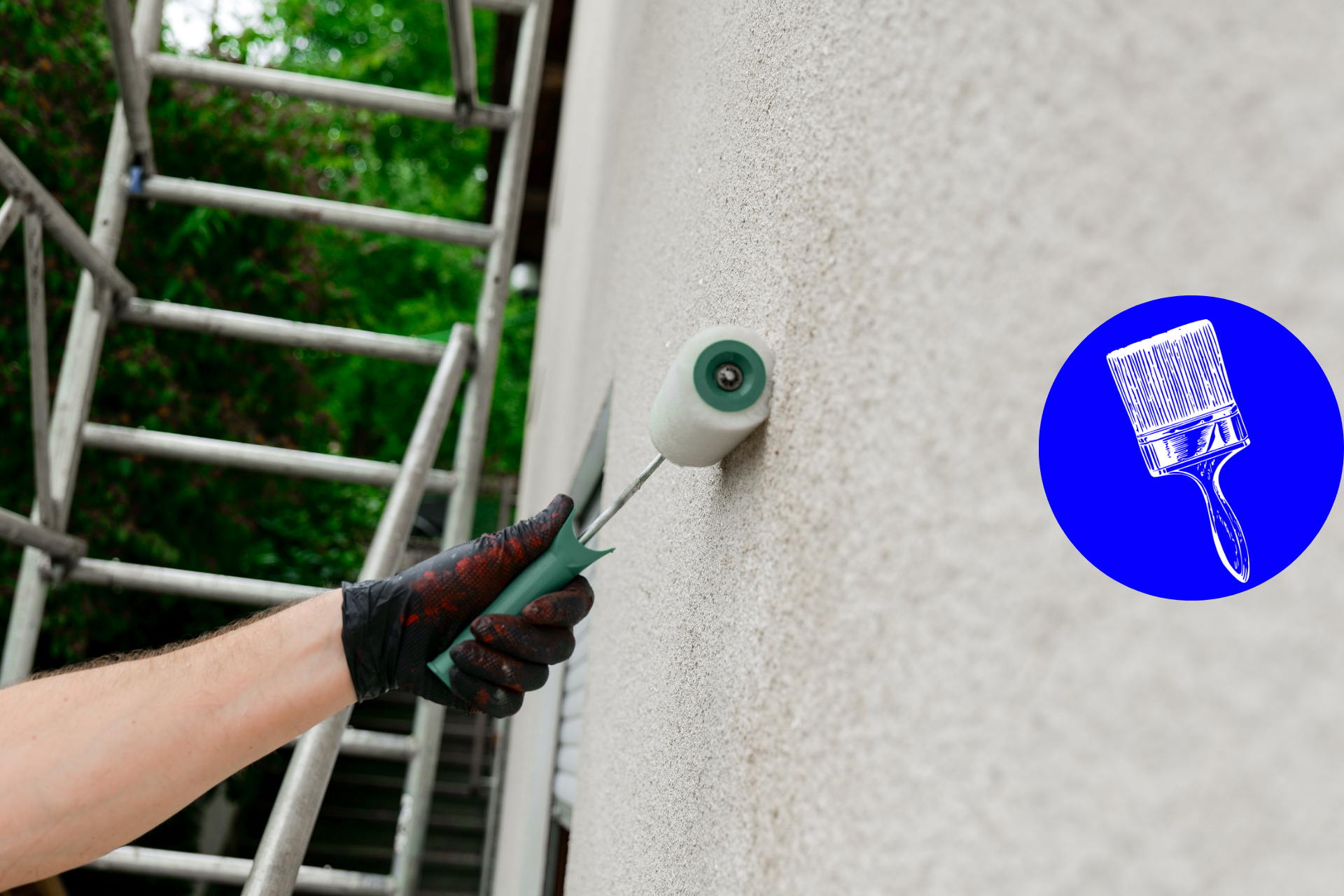
Before exterior painting, your home should be inspected, washed, scraped, repaired, caulked, primed, and protected from overspray or paint drips. In Pennsylvania’s climate, prep work is especially important because moisture, humidity, sun, and freeze-thaw cycles can cause paint to peel early if the surface is not prepared correctly.
If you want your new paint job to last, the prep work matters just as much as the paint itself!
For homeowners in Lewistown, Mifflin County, Juniata County, and surrounding Central PA areas, this checklist will help you understand what should happen before the first coat goes on.
Why Exterior Paint Prep Matters In Pennsylvania
Exterior painting in Central Pennsylvania is not the same as painting in a dry, mild climate. Homes in our area deal with:
- Humid summers
- Cold winters
- Rain and snow
- Freeze-thaw expansion
- Tree shade and mildew
- Direct sun exposure on certain sides of the home
All of that affects how well paint sticks and how long it lasts.
A rushed paint job may look fine at first, but if loose paint, mildew, soft wood, or cracked caulking are ignored, the new coating can fail much sooner than expected. Good prep helps prevent peeling, bubbling, water damage, and uneven coverage.
At Lewistown Painting, we look at exterior prep as the foundation of the whole project.
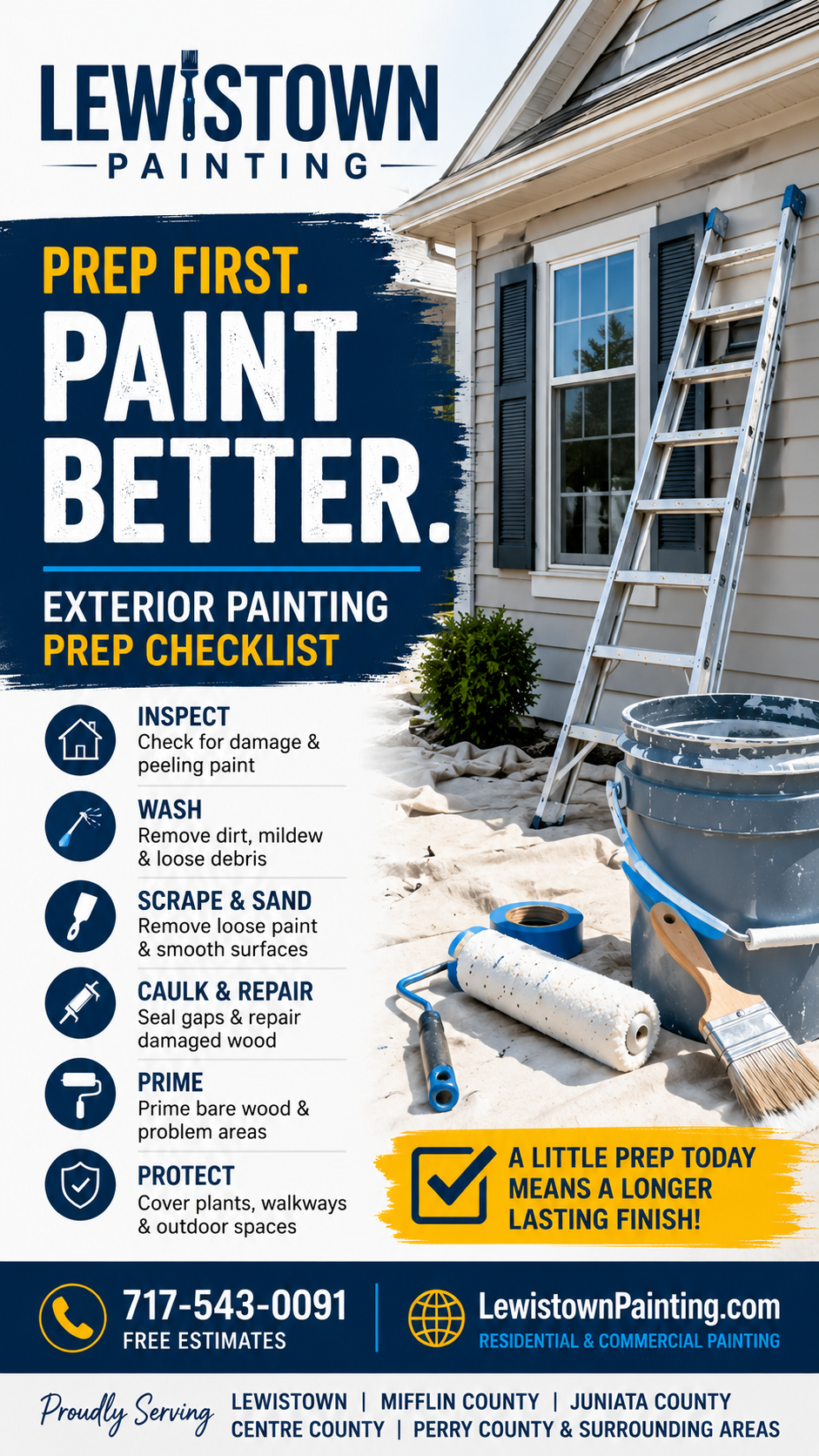
Step 1: Inspect The Exterior Before Painting
The first step is a full walkaround of the home.
Look closely at:
- Siding
- Trim
- Fascia boards
- Soffits
- Window frames
- Door frames
- Porch posts
- Railings
- Shutters
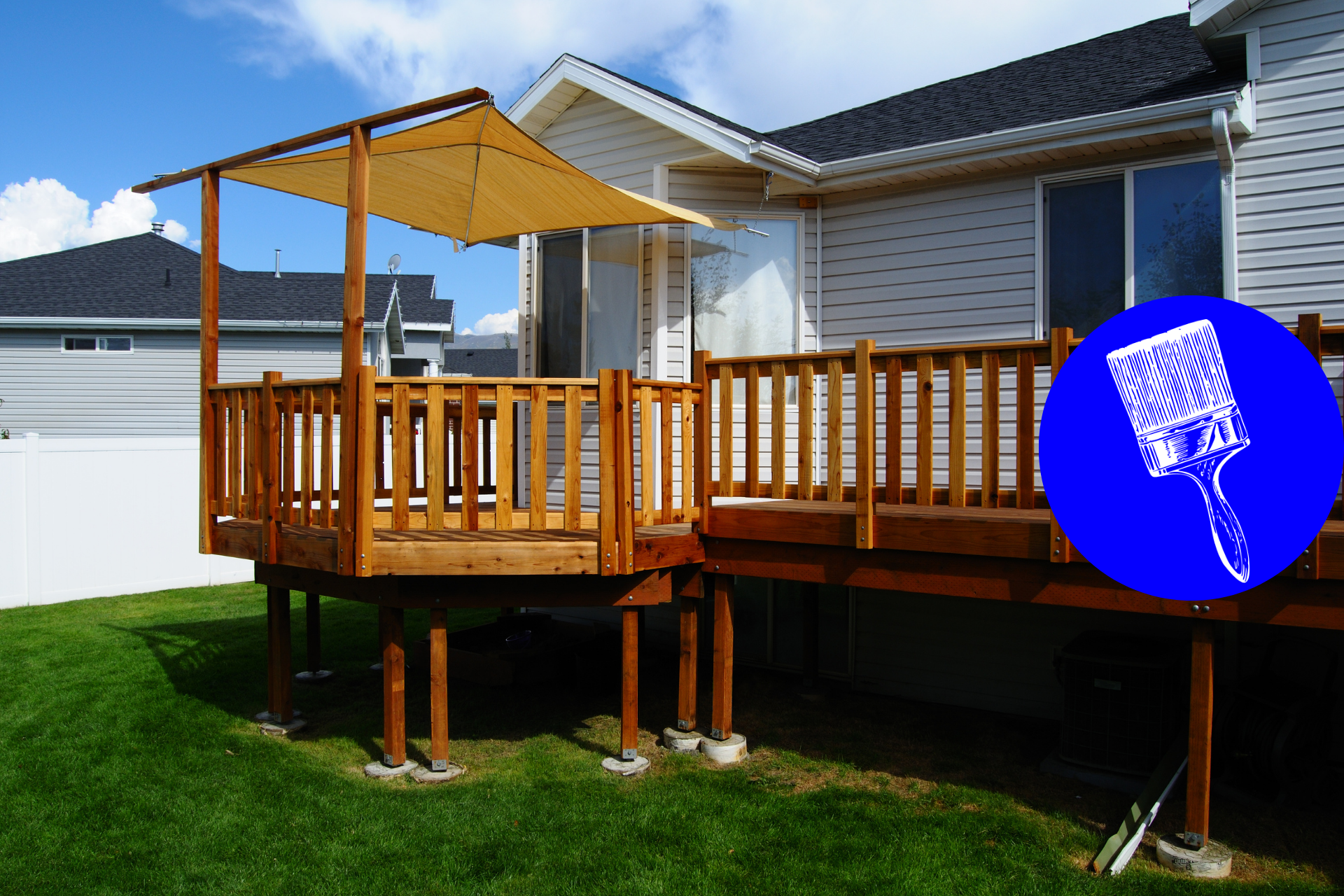
- Decks or fences
You’re looking for peeling paint, soft wood, cracks, mildew, gaps, and areas where water may be getting behind the surface.
This is also when you should identify whether certain areas need repair before painting. Paint can protect a surface, but it cannot fix rotted wood or structural damage on its own.
Step 2: Wash The Surface
Exterior surfaces need to be clean before painting. Dirt, pollen, mildew, chalky residue, and old paint dust can prevent new paint from bonding properly.
Most exterior painting projects need some form of washing before paint is applied.
This may include:
- Pressure washing
- Soft washing
- Hand scrubbing problem areas
- Mildew treatment
- Rinsing away loose debris
For older homes or delicate surfaces, pressure must be used carefully. Too much pressure can damage wood siding, force water behind trim, or create new surface problems.
The goal is not just to make the house look cleaner. The goal is to create a sound, paint-ready surface.
Step 3: Scrape Loose Or Peeling Paint
Any loose, cracked, flaking, or peeling paint needs to be removed before repainting.
If loose paint is left behind, the new coat will only stick to failing paint underneath it. That means the new paint may peel quickly, even if high-quality paint is used.
Scraping should focus on:
- Peeling siding
- Window trim
- Door trim
- Fascia
- Railings
- Porch posts
- Areas near gutters or water runoff
After scraping, the edges should be sanded or feathered so the surface looks smoother once painted.
Step 4: Repair Damaged Wood, Trim, Or Siding
Exterior paint should not be applied over rotted, soft, or failing material.
Common repair areas around Lewistown homes include:
- Window trim
- Door frames
- Porch railings
- Fascia boards
- Siding joints
- Old wood shutters
- Deck boards and steps
If the damage is minor, it may be patched or filled. If the wood is soft or rotted, replacement is usually the better option.
This is one of the biggest differences between a quick paint job and a professional exterior repaint. Proper repairs help the finish look better and last longer.
Step 5: Re-Caulk Gaps Around Windows, Doors, And Trim
Caulking is one of the most overlooked parts of exterior painting.
Caulk helps seal gaps where moisture can enter. Over time, caulk dries out, cracks, pulls away, or shrinks.
Areas that often need caulking include:
- Around windows
- Around doors
- Trim seams
- Vertical joints
- Gaps between siding and trim
- Small cracks where water may enter
A quality exterior caulk helps protect the home from moisture and air leaks. It also creates cleaner finished lines once paint is applied.
Step 6: Prime Bare Wood And Problem Areas
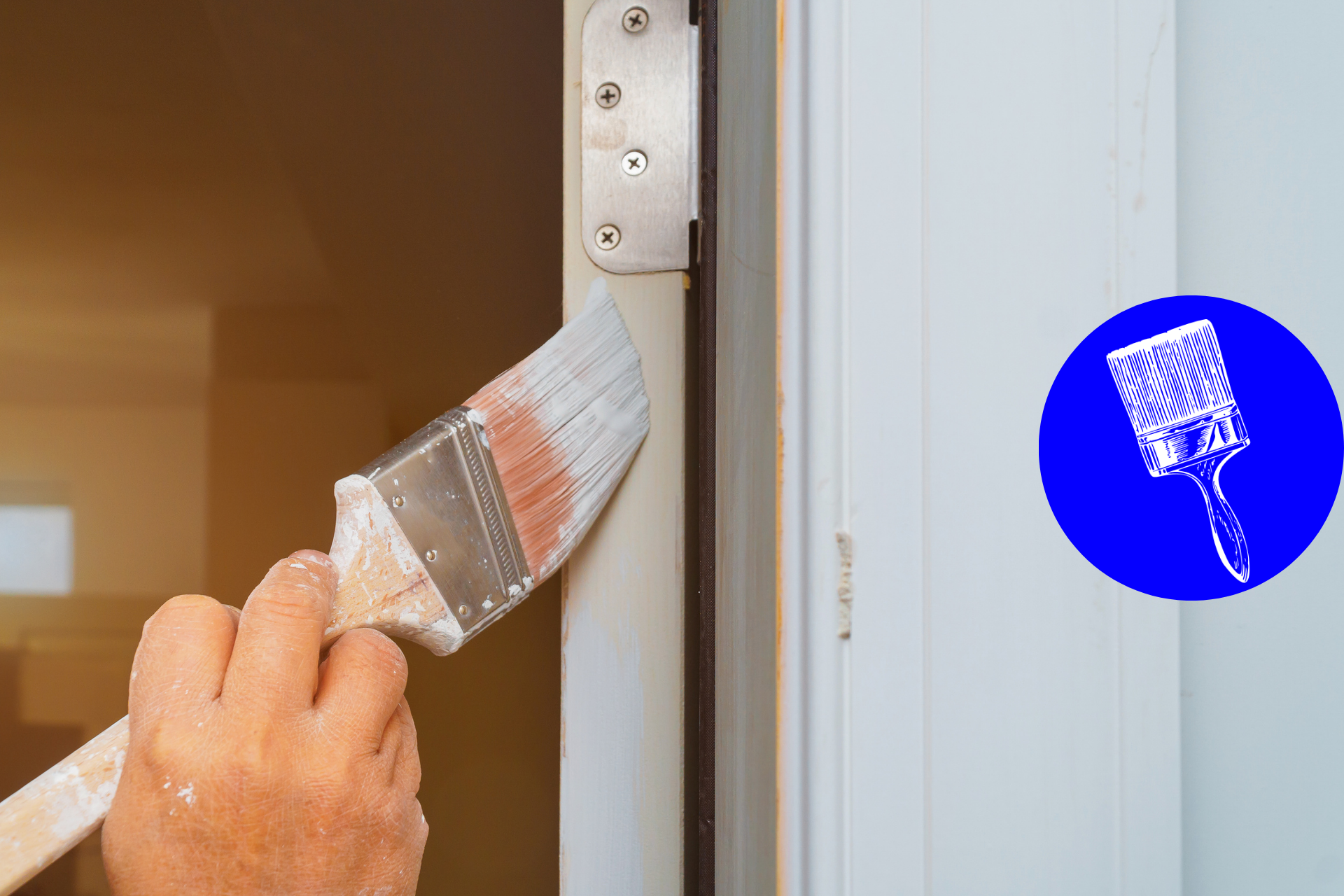
Primer helps paint bond properly and creates a more even finished surface.
Primer may be needed on:
- Bare wood
- Heavily scraped areas
- Stained surfaces
- Patched areas
- Previously glossy surfaces
- Water-stained areas
- Areas with major color changes
Skipping primer can lead to uneven sheen, flashing, stains bleeding through, or premature peeling.
For exterior painting in Pennsylvania, primer is especially important anywhere moisture or previous paint failure has occurred.
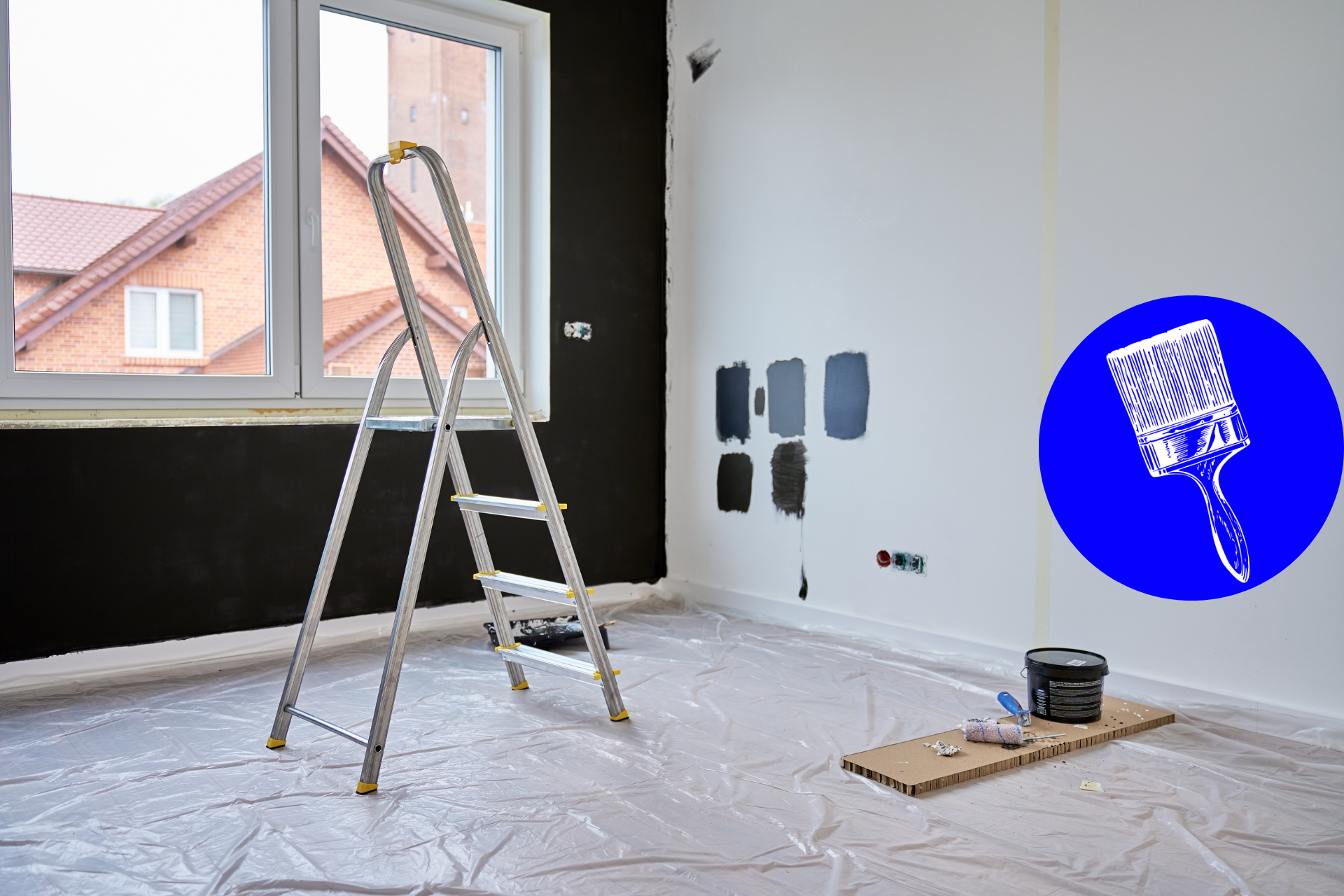
Step 7: Protect Landscaping, Walkways, And Outdoor Features
Before painting begins, the work area should be protected.
That may include:
- Covering shrubs and plants
- Moving patio furniture
- Protecting sidewalks and porches
- Covering decks or patios
- Moving grills and outdoor décor
- Removing or masking fixtures
This keeps the job cleaner and helps prevent accidental paint drips or overspray.
For homeowners, this is also a good time to move vehicles away from the home and clear access around the exterior.
Step 8: Choose The Right Weather Window
Weather matters.
Exterior painting should usually be done when temperatures are mild and surfaces are dry. Paint applied during poor weather may not cure correctly.
In Central PA, the best exterior painting windows are usually:
- Late spring
- Early summer
- Early fall
The exact timing depends on temperature, humidity, rain forecast, shade, and surface condition.
A professional painter will look at more than the calendar. They’ll consider whether the surface is dry enough, whether rain is expected, and whether temperatures will stay stable while the paint cures.
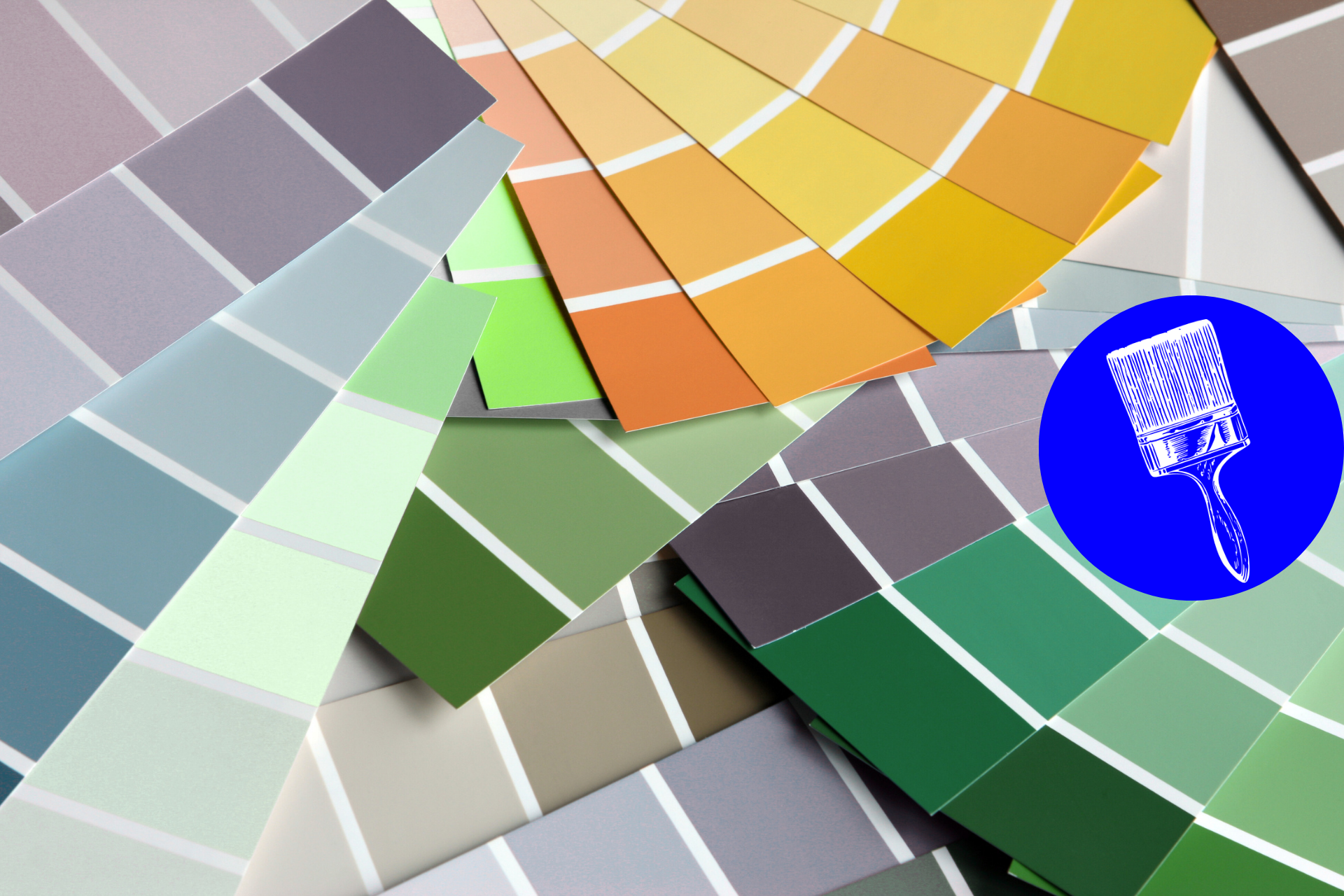
Step 9: Choose Paint That Matches The Surface
Not every exterior surface needs the same product.
Wood, vinyl, brick, stucco, aluminum, fiber cement, and trim may each require different coatings or primers.
The wrong product can cause problems such as:
- Peeling
- Fading
- Poor adhesion
- Moisture trapping
- Warping on vinyl
- Uneven finish
This is why professional product selection matters, especially for homes exposed to sun, shade, moisture, or older materials.
Commercial Painting Note: Prep Matters For Businesses Too
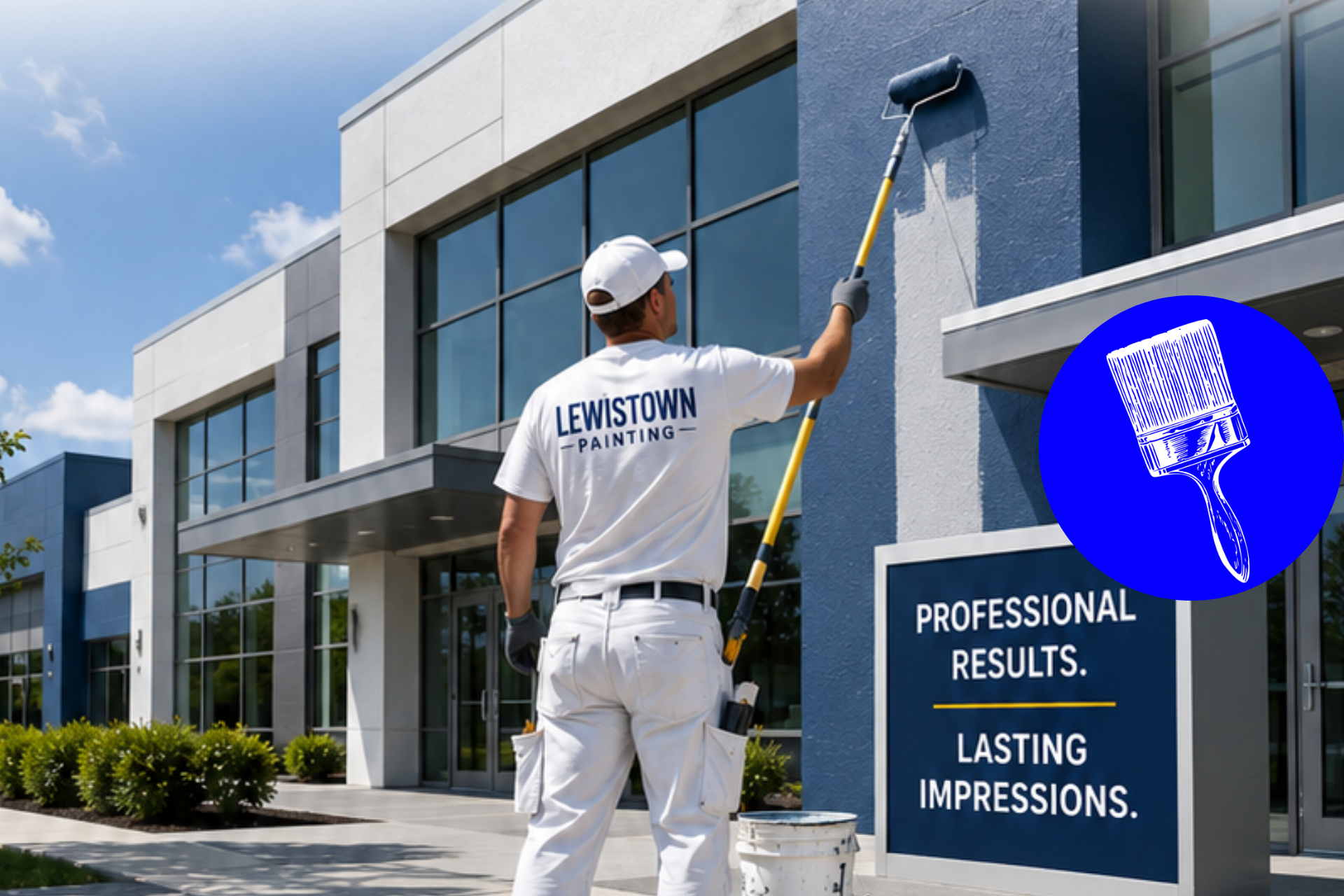
Exterior prep is not just important for homes. Businesses in Lewistown, Burnham, Reedsville, State College, and nearby Central PA communities also need proper surface preparation before repainting.
Commercial buildings often involve:
- Metal siding
- Brick
- Block walls
- Storefront trim
- Railings
- Entryways
- High-traffic doors
For business owners, a clean exterior can improve first impressions while also protecting the building from weather and wear.
Key Takeaways
- Exterior prep determines how long your paint job lasts.
- Washing, scraping, sanding, caulking, repairs, and primer all matter.
- Pennsylvania weather makes proper prep even more important.
- Painting over damaged or dirty surfaces can lead to early failure.
- Lewistown Painting provides exterior painting for homes and businesses across Central PA.
FAQ: Exterior Painting Prep In Lewistown, PA
Do You Have To Wash A House Before Painting?
Yes. Exterior surfaces should be cleaned before painting so dirt, mildew, pollen, and chalky residue do not interfere with paint adhesion.
What Happens If You Paint Over Peeling Paint?
Painting over peeling paint usually leads to more peeling. Loose paint must be scraped and sanded before repainting.
What Is The Best Time For Exterior Painting In Pennsylvania?
Late spring, early summer, and early fall are often best because temperatures are usually mild and surfaces can dry properly.
Does Exterior Painting Help Protect A Home?
Yes. A quality exterior paint job helps protect siding, trim, and wood surfaces from moisture, sun damage, and weather exposure.
Ready to repaint your home or business the right way?
Contact Lewistown Painting today for a free estimate.
Serving
Lewistown, Mifflin County, Juniata County, Centre County, Perry County, and surrounding Central PA areas.
Call 717-543-0091 or visit LewistownPainting.com.